Infections that may be dangerous to the fetus
Some infections can cause fetal damage while others may be harmless to the fetus. Read below to find out what you should know about these.
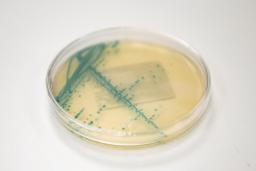
Listeria
The Listeria monocytogenes bacterium lives in the soil and in the digestive tracts of animals. It is part of the normal digestive tract flora of some humans as well.
Listeria bacteria can penetrate and infect the placenta, the amniotic fluid, and the fetus. The fetus may also be infected in the birth canal at childbirth, in which case the disease will not become apparent until days or weeks after birth. Listeria bacteria are not always passed from mother to fetus.
- Listeriosis is rare. Only a few cases of maternal listeriosis are found in Finland per year.
- Listeria does not cause birth defects. However, if a listeria infection is transmitted to the fetus during pregnancy, it may cause a miscarriage, death of the fetus, or premature birth. The listeriosis may also resolve itself, and your pregnancy can continue.
- Listeriosis can also cause a severe infection in the newborn infant. The infant may develop meningitis days or weeks after birth. The mortality rate in these infant infections is very high; up to half of these newborns die.
The disease’s incubation period varies greatly, also depending upon what symptoms it presents. Symptoms of a gastrointestinal infection may begin already within hours to a few days from transmission. On the other hand, symptoms of a generalized listeria infection may appear only several weeks after transmission. In many cases, a listeria infection presents no symptoms. During pregnancy, listeriosis may present as a mild disease resembling a common cold, but it may also cause back pain, diarrhea, and vomiting. Uterine contractions or sensitivity indicate that the infection has spread to the uterus.
Listeriosis is treated with antibiotics. During pregnancy, medication is usually begun even if listeriosis is only suspected, before the culture results come back. The purpose of early treatment is to prevent the fetus and subsequent newborn infant from being infected.
A listeria infection can be contracted from foods, particularly from unpasteurized dairy products and from vacuum packed and salt-cured fish products. The bacteria can reproduce at refrigerator temperatures and remain alive for years.
- Listeria bacteria die at temperatures of over 70 °C.
- Avoid unpasteurized dairy products, soft cheeses, vacuum packed cold smoked and salt-cured fish products, fish roe, and pateés . If heated to 70 °C or above, however, they are safe to eat.
- Listeria can reproduce at refrigerator temperatures, so always observe the ‘best before’ dates.
- Frozen vegetables must be heated before eating.
- Meat must be thoroughly cooked.
- Raw products must be stored separately from those that are cooked or ready to eat.
Ticks
Ticks spread both borreliosis and tick-borne encephalitis (TBE).
What causes borreliosis, and where in Finland is the risk of infection the highest?
Borreliosis is caused by a bacterium named Borrelia burgdorferi, which may be transmitted to humans via a tick bite. In southern Finland, up to one in three ticks carry this pathogen. Infections are the most common in Åland and in southwestern and southeastern Finland, but cases have been found as far north as Oulu.
Symptoms of borreliosis
A tick bite generally causes skin changes 0.5 cm to 2 cm in diameter, reddish, raised, and itching. A borrelia infection typically includes a ‘migrating rash’ (erythema migrans), which emerges within days or a few weeks of being bitten. This typically shows as a widening reddish rash more than 5 cm in diameter, where the center often gets lighter in color as the rash spreads. This often disappears within a few weeks but may linger for a month or even longer.
The skin symptoms may be accompanied by general symptoms of ill health, such as fever, headache, and muscle ache. The rash will heal by itself within weeks or months, but if not treated, the bacteria may remain in the body and cause late manifestations in joints, nerve tissue, or the heart. Up to half of patients in whom the infection is not treated at an early stage develop late manifestations of the disease.
Borreliosis is the mother’s disease, not the fetus’s
There is no evidence of borreliosis during pregnancy causing damage to the fetus. If you find a tick attached to you, remove it immediately. It is important to monitor the affected skin area for a month for the development of erythema migrans, a spreading rash associated with Lyme disease. If a rash appears around the bite site or you develop other symptoms (such as fever), seek medical evaluation.
Suspected borreliosis, antibiotics and breastfeeding
There are no known cases of a breastfed infant contracting the B. burgdorferi bacterium through breast milk. You can breastfeed normally. The antibiotics used for treatment are safe to use during pregnancy and breastfeeding.
What causes tick-borne encephalitis, and where in Finland is the risk of infection the highest?
Tick-borne encephalitis (TBE) is caused by a virus that can be transmitted to a human via a tick bite. The virus is transmitted within minutes of the beginning of the tick bite, via the saliva of the tick. There are reports of infections being contracted through unpasteurized milk in the Baltic states and in central Europe. In Finland, ticks carrying the virus are prevalent particularly in Åland and the western archipelago, in Kotka, and in southeastern Finland.
What are the symptoms of TBE?
Only about one in four of those infected present with symptoms. Fever and a sense of illness usually begin within about a week of being bitten. After the fever, the infection may cause encephalitis, which often does not present symptoms until about a week or more after the fever has subsided. The symptoms of encephalitis include fever, headache, stiffness of the neck, sensitivity to light, and nausea, and in severe cases loss of consciousness and convulsions. Encephalitis always requires hospitalization.
Can the infection damage the fetus?
It is not known whether the virus could infect the fetus. No effects on the fetus have been reported; the risks of TBE contracted while pregnant have to do with the mother developing a severe form of the disease.
Is breastfeeding safe?
The mother having TBE does not prevent breastfeeding. The virus will have been in the body for a couple of weeks before symptoms appear, so suspending breastfeeding when symptoms appear will bring no appreciable benefit. Also, there are no known cases of an infant contracting TBE through breast milk.
TBE can be effectively prevented with vaccination
A TBE vaccine does not contain live pathogens. Giving it to pregnant women who are obliged to stay in a high-risk region for a long period of time may be considered. There is no obstacle to administering a TBE vaccine during breastfeeding.
Infectious childhood diseases
Chickenpox and erythema infectiosum or ‘fifth disease’ are diseases that may cause significant harm to the fetus if contracted by a pregnant woman.
The Varicella-zoster virus (VZV), which belongs to the herpesvirus family, causes chickenpox, a disease that spreads very easily through airborne droplets. Most people have had chickenpox in childhood, and a primary infection provides lifelong immunity. Only about 1–3 out of every 100 adults (approximately 3%) have never had the disease. Before the chickenpox vaccine was included in the national immunization program, about 30–50 pregnant women in Finland had chickenpox annually.
Chickenpox During Pregnancy
Getting infected with chickenpox during pregnancy poses a risk to the fetus. If the fetus becomes infected, it can lead to severe Congenital Varicella Syndrome, which may even be fatal. Symptoms of this syndrome include low birth weight, skin scarring, limb abnormalities and central nervous system damage. Fortunately, congenital varicella syndrome is extremely rare and most fetuses exposed to chickenpox do not develop it. The risk to the fetus depends significantly on the stage of pregnancy when the infection occurs.
- If you get chickenpox during the first 20 weeks of pregnancy, the virus causes congenital varicella syndrome in about 0.4–2% of cases. The risk of fetal damage is lowest before week 13. Chickenpox in early pregnancy does not increase the risk of miscarriage. Chickenpox during pregnancy is not a reason to consider termination of the pregnancy.
- If you get chickenpox after week 24, the risk of fetal infection increases significantly—about half of fetuses become infected. However, fetal damage in these cases is extremely rare. Usually, the fetus develops a mild form of chickenpox without serious or permanent harm.
- The most problematic situation is getting chickenpox near delivery. In this case, the fetus does not have time to receive protective antibodies from the pregnant person and the newborn may develop chickenpox after birth. Neonatal chickenpox can be life-threatening.
Symptoms and Treatment
Chickenpox in adults can be severe and may even lead to pneumonia requiring intensive care. The incubation period is 7–21 days. Symptoms include an itchy, blistering rash starting on the torso, fever, and headache.
If you are pregnant and have been exposed to chickenpox, contact your maternity clinic for antibody testing. After exposure, antiviral treatment with acyclovir is always started for antibody-negative pregnant individuals, as well as for those who develop the infection.
Chickenpox during pregnancy or exposure of a pregnant person who has never had chickenpox requires urgent consultation with a gynecologist or infectious disease specialist. Treatment decisions are made individually in a hospital setting.
Breastfeeding
Chickenpox during breastfeeding has specific considerations. Please contact us for more detailed counseling.
Erythema infectiosum, also known as ‘fifth disease’, is a viral infection caused by human parvovirus. A maternal fifth disease infection may spread to the fetus and infect the embryonic red blood cells. There is no medication for fifth disease. Once you have had fifth disease, you are immune to it for life.
Fifth disease during pregnancy (maternal erythema infectiosum)
Fifth disease does not cause birth defects, but an infection early in the pregnancy may lead to a miscarriage. If the fetus is infected by the mother’s parvovirus, the parvovirus may destroy red blood cells in the fetus, leading to fetal anemia. Parvovirus may also cause hepatitis and myocarditis in the fetus, leading to generalized edema.
The risk for the fetus is greatest around weeks 12 to 24, because at that time the fetus’s red blood cell production is at its peak. In most cases, the fetus will heal of its own accord, even if the infection is contracted in early pregnancy. As the infection subsides, the red blood cell count will return to normal.
An infection in the mother can be diagnosed by a blood test for antibodies. This will reveal whether the mother has had fifth disease at some time in the past. Once you have had fifth disease, you are immune to it for life. The blood test for antibodies will be repeated if necessary a few weeks later.
Beyond week 24 of the pregnancy, fifth disease rarely presents any problems.
Symptoms and treatment
Parvovirus is transmitted by droplets and has an incubation period of about 7 days (6 to 16 days).
Fifth disease is asymptomatic for half of the people who contract it. Typical symptoms include flushed cheeks, rash on the limbs and torso, and joint symptoms. Fifth disease is no longer contagious once the rash emerges.
If you have had fifth disease in early or middle pregnancy, the status of your fetus will be monitored by ultrasound scans for a period of 12 weeks from contagion. The purpose of the monitoring is to observe whether there are anemia-related changes, such as edema in the fetus. An infection in the fetus may be diagnosed by a sample of amniotic fluid if necessary. The fetus’s hemoglobin may be tested with a blood sample from the umbilical vein, and if it is low, a red blood cell transfusion may be considered. If you are infected with fifth disease beyond week 24 of your pregnancy, there is usually no need to take any action, because fifth disease poses no danger to the fetus late in the pregnancy.
Prevention
Parvovirus often causes minor epidemics and is typical among children and adolescents. It is estimated that about 60% of Finns have had fifth disease as a child. It is highly unlikely for the infection to recur.
Fifth disease is not easily contagious. At-risk groups include pregnant women working with children (staff at day care centers and schools) who have not had fifth disease themselves. Whether they have previously had fifth disease can be confirmed or excluded with a blood test. If a pregnant employee has not had fifth disease, it may be advisable to assign her to different job duties for the duration of the epidemic.
An enterovirus infection is a typical pediatric disease caused by the enterovirus, most commonly viral type A16. The enterovirus infection occurs as small epidemics, especially in late summer and early autumn. There are several different types of enteroviruses, and symptoms can range from asymptomatic or a mild flu to a more severe clinical picture. In general, the enterovirus infection is a fairly mild disease that resolves on its own in 10 days without sequelae.
The enterovirus infection spreads through droplets, feces and from mother to child, especially during childbirth. The incubation time is 3–6 days. The disease often manifests itself as a febrile illness, accompanied by vesicles and papules in the mouth, and on the hands, feet and other parts of the body. The patient can also experience some throat pain and an upset stomach. As far as is known, the infection does not cause a more severe clinical picture in pregnant women than in non-pregnant women.
An enterovirus infection does not appear to increase the risk of fetal malformations. An infection during pregnancy is treated as a common febrile illness, and when the fever rises above 38 degrees Celsius, it is advisable to lower the fever primarily with paracetamol. There is no targeted drug or vaccine for enterovirus infections. During an enterovirus infection epidemic, it is important to observe careful hand hygiene. However, there is no need to take special precautions even if the mother works in a kindergarten or is at home taking care of a child with an enterovirus infection.
A mother’s enterovirus infection does not prevent breastfeeding the child.
Cytomegalovirus infection (CMV)
Cytomegalovirus (CMV) belongs to the family of herpes viruses. It is transmitted through bodily fluids (saliva, blood). The incubation period for a first-time infection, or primary infection, is several weeks, generally 6 to 8 weeks. The most dangerous case for the fetus is if the mother has a primary infection.
Most of those infected do not present with any symptoms. Possible symptoms include fever, fatigue, sweating, muscle aches, coughing, nausea, and swelling of the lymph nodes in the neck. About 50% to 70% of Finnish women have had a cytomegalovirus infection. As a result, they have antibodies in their system that protect their fetus against infection.
A cytomegalovirus infection may cause serious problems for the fetus. The most dangerous case is if the mother has a primary infection.
- The most dangerous scenario for fetal development is if you contract a cytomegalovirus infection for the first time in your life during pregnancy. The earlier you are in the pregnancy, the more serious the consequences for fetal development will be. Infections contracted during the first 16 weeks of pregnancy cause the most developmental defects, including fetal growth restriction, central nervous system damage, impaired vision, and impaired hearing.
- It is possible for an earlier infection to be reactivated or for a patient having had the infection to contract the infection again, but in such cases the risk for the fetus is low, and the symptoms are milder.
About 60 children with fetal cytomegalovirus syndrome are born in Finland every year, and it has been estimated that up to 4% of pregnant women have a CMV infection while pregnant, in most cases symptom-free.
Good hand hygiene and avoiding bodily fluids are usually considered good enough precautions to prevent infection. Cytomegalovirus is transmitted by contact with mucous membranes, not by skin contact.
Some job duties may involve an elevated risk of infection. The greatest risk of infection is if you are in a job where you are caring for asymptomatic virus carriers and cannot avoid being exposed to patients’ saliva and other bodily fluids. In such a case, please consider reorganizing your work arrangements.
Toxoplasma
Toxoplasma gondi is a parasite whose principal hosts are felines. Toxoplasma reproduces in the digestive tract of felines and spreads to the environment via their feces.
In other animals, toxoplasma inhabits muscle tissue. Humans can be infected by cat feces, by eating uncooked meat, or by eating vegetables with soil adhering, if toxoplasma from cat feces has spread to the soil.
Each year, about 130 mothers are diagnosed with maternal toxoplasmosis infections. About 50 children are born with congenital toxoplasmosis in Finland each year. The risk of this is related to the mother contracting a first-time or primal infection. A primal infection in early pregnancy is the most dangerous for the fetus and may lead to severe complications. An infection that the mother had earlier poses no danger to the fetus.
The chance of the fetus developing an infection as a result of a primary maternal infection is about 10% in the first trimester, 40% in the second trimester and 70% in the third trimester. The effects of a toxoplasmosis infection for the fetus are the milder the later in the pregnancy the infection occurs.
Maternal toxoplasmosis may cause a miscarriage, fetus death, premature birth, or congenital toxoplasmosis. Congenital toxoplasmosis in a newborn is a general infection involving inflammation of the central nervous system.
Most babies born with congenital toxoplasmosis are asymptomatic at birth. Congenital toxoplasmosis can, however, cause problems with hearing and vision, and developmental disorders that emerge later in life. Pharmaceutical treatment during pregnancy and after birth will probably improve the child’s prognosis.
Toxoplasmosis is often symptom-free and thus can easily remain undiagnosed. Possible symptoms include fever, fatigue, and sweating. The incubation period for the disease is 10 to 14 days on average, and patients recover within a few weeks.
If you have a toxoplasmosis diagnosis confirmed with laboratory tests, you will be started on medication. The medications used to treat toxoplasmosis are not harmful to the fetus. Medication reduces the risk of the fetus being infected. If the fetus is already infected, medication can improve the newborn’s prognosis.
If you have a primary infection of toxoplasmosis, we recommend that you observe a withdrawal period of at least 3 to 6 months before getting pregnant.
- Cook meat thoroughly.
- Toxoplasma dies at temperatures over 65 °C. Heating food kills toxoplasma, and it is safe to eat food that has been heated to over 65 °C.
- Do not touch cat feces with your bare hands. If you empty out a cat’s litter box, wear gloves and wash your hands thoroughly afterwards. The cat litter box should be emptied every day because the toxoplasma oocytes become contagious in 1-5 days.
- Wash vegetables and fruit carefully, and preferably peel them before eating.
- Wash your hands carefully after doing gardening work or after sitting at a playground sandbox.
Shingles
Shingles (Herpes Zoster) is a belt-like rash caused by the Varicella zoster virus (chickenpox virus). Shingles occurs as a result of a previous chickenpox infection. During chickenpox, the virus travels along nerves to nerve ganglia, where it later in life can reactivate and cause shingles.
Shingles is a localized infection where blisters excrete chickenpox virus. A person who has never had chickenpox and comes into contact with these blisters can be infected with chickenpox. Pregnant people should avoid contact with anyone who has shingles.
Shingles during pregnancy is not a risk to the fetus because maternal antibodies protect the fetus and newborn from infection. A pregnant person with shingles should be isolated from other pregnant people and newborns, and precautions should be taken to prevent the newborn from being in contact with blisters.
Treatment
Treatment for shingles is usually symptomatic and does not require medication. However, shingles can cause prolonged pain even after the rash has healed, which sometimes requires medication. In such cases, amitriptyline and nortriptyline may be used during pregnancy under a doctor’s prescription.
Breastfeeding
Shingles is not a contraindication for breastfeeding, but the infant should not come into contact with blisters. The blisters needs to be covered. If blisters appear on the breast area, breastfeeding can continue from the other breast until the blisters have crusted. Pumped milk from the affected breast can still be safely given to the infant.
Zika virus and malaria
When you are planning a pregnancy, you need to consider any travel plans you may have with additional care. If you had planned to travel to an area of high risk (e.g. for infectious diseases such as Zika virus or malaria), you should not go.
The Zika virus belongs to the flavivirus group. It generally only causes a mild fever, but it can be very dangerous for the fetus. The Zika virus is endemic in Africa, Southeast Asia and South America. The Zika virus is principally transmitted by mosquitoes that are active in the daytime.
A Zika virus infection during pregnancy may cause microcephalia and other damage to the central nervous system in the fetus. Microcephalia is a condition where the head of the fetus does not grow as large as normal, and this may compromise the development of the brain. In the worst cases, the result may be a severe developmental disability.
- If you are planning a pregnancy or are already pregnant, you should avoid traveling to regions where the Zika virus is endemic. If you are planning a pregnancy and plan to travel to a high-risk region, you should consult your physician and discuss postponing your pregnancy plans.
- If the travel is essential, please be particularly careful with protection (mosquito repellents, principally those containing DEET; protective clothing; insecticides; netting).
- Always check the incidence of Zika virus before planning travel to a potential risk area (ECDC).
- The Zika virus may be transmitted via semen. The male partner of a woman who is pregnant or who is planning a pregnancy should use a condom for the remainder of the pregnancy if he has visited an endemic Zika virus region, and for at least 3 months before the planned pregnancy. The withdrawal period for the man goes up to 6 months if he has had an actual or suspected Zika virus infection.
Please avoid travel to malaria regions during pregnancy, because pregnant women have a high risk of contracting a severe form of malaria. During pregnancy, particularly early and towards the middle, the risk of contracting malaria is 2 to 3 higher than for non-pregnant women.
Malaria can cause severe anemia in a pregnant woman. Malaria elevates the risk of miscarriage, arrested development, low weight, premature birth, and fetal death. Also, a malaria infection during pregnancy may cause premature separation of the placenta and elevates the risk of pre-eclampsia. The newborn infant may develop congenital malaria as a result of the mother having malaria during pregnancy.
Prevention
Prophylactic medications do not yield complete protection, and wearing protective clothing is therefore essential. Mosquito nets and repellents must also be used. The choice of prophylactic medication must be based on the sensitivity of the local malaria strain to medication and recommendations concerning the area in question. Any risks related to the stage of the pregnancy and the medication must be taken into account when planning the prophylaxis.
- Chloroquine and chloroquine-proguanil combinations are safe, but nowadays they are only effective in a small number of areas.
- Mefloquine can be used for malaria prophylaxis throughout pregnancy if visiting a malaria area with chloroquine-resistant malaria cannot be avoided (THL 2023).
- Doxycycline may be used in early pregnancy (up to week 14) if there are weighty reasons for doing so (THL 2023). From week 14, this medication must not be used.
- The atovaquone-proguanil combination is not recommended during pregnancy, because there is little information on its use as a prophylactic in this context. If there are no other alternatives (if mefloquine use is contraindicated) and travel to a high-risk malaria region cannot be avoided, this medication may be permissible (THL 2023).
For more information on prophylactic medication, see the health guide for travelers (Matkailijan terveysopas). This guide also contains general information on malaria and how to protect against it.
Symptoms and treatment
Malaria generally has a incubation period of 7 to 30 days but can take months or even years to emerge. Prophylactic medication may extend the incubation period.
Typical symptoms include repeated bouts of fever beginning with chills, and sweating as the fever breaks. Initially, the fever may be continuous and may be accompanied by stomach symptoms, severe diarrhea, respiratory symptoms, and central nervous system symptoms such as disorientation and reduced consciousness.
If you develop a fever after a trip to a malaria region, see a doctor. Malaria can be diagnosed from a blood sample taken from a fingertip, and the test results are ready in a few hours. Malaria treatment must be begun immediately.
Updated: 03.06.2026