Promising results from betaine in treatment of the rare AGU disease
Keywords:A study brings hope to children living with aspartylglucosaminuria (AGU) and their families. The study shows that betaine can significantly improve metabolism in children with AGU and promote their cognitive and physical performance.
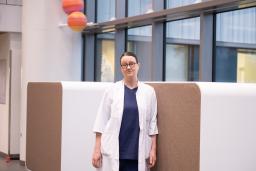
Aspartylglucosaminuria (AGU) is a rare, hereditary metabolic disorder, which leads to intellectual and physical disability. It is part of the Finnish disease heritage and there are about 300 patients in Finland. AGU is usually diagnosed in young children.
In AGU, the body cannot break down certain compounds correctly, which causes these compounds to accumulate in the body over time. This, in turn, affects brain development. The typical symptoms include delayed cognitive development and difficulties in daily life. Previously, no targeted treatment that would affect the disease progression has been available.
A study conducted by the universities of Giessen and Helsinki examined the effects of betaine in AGU patients. The study was published in the journal Nature Communications. Betaine is known as a pharmacological chaperone, or a molecular helper. It assists misfolded enzymes to fold correctly so that they can function properly to maintain metabolism.
“Our results show that betaine can be an efficient and cost-effective way to improve metabolism in AGU patients. As betaine is taken orally as a powder, and because it is well tolerated, it offers a convenient option for life-long therapy,” says Professor Ritva Tikkanen from the University of Giessen, Germany.
Improvement in children’s metabolism and functional capacity
The study included 21 children aged 7 to 15 years. The children in the study had a certain genetic variant of the disease. They were closely monitored at HUS for four years. Betaine treatment was found to be safe and well tolerated.
The results were impressive. The level of breakdown products in urine caused by the disease dropped significantly (by nearly 70%) while AGA enzyme activity level in blood serum increased. In neuropsychological tests, the children showed improvement in linguistic understanding and information processing speed. Their coping in daily life also improved. With magnetic resonance imaging (MRI), the scientists were able to see that iron accumulation in certain areas of the brain, which is caused by AGU, decreased.
“Even though the results are extremely positive, further follow-ups are needed. It is especially important to find out how the treatment affects long-term cognitive development and whether treatment started very early, even before symptoms appear, can stop the disease from progressing altogether,” says Minna Laine, specialist in pediatric neurology.
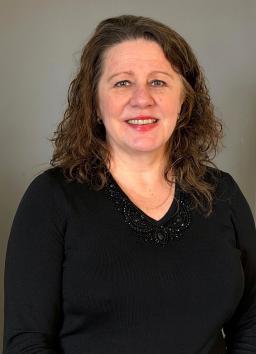
The study was conducted by an international team led by Specialist Minna Laine from HUS and Professor Ritva Tikkanen from Germany. The results were published in the journal Nature Communications Pharmacological chaperone treatment with Cystadane in aspartylglucosaminuria: an open-label, phase Ib/II trial | Nature Communications
In university hospitals research is part of treatment: new research outcomes make treatment practises more efficient and help focus treatments correctly. We work in close collaboration with the University of Helsinki and other universities, and we publish ca 3,000 peer-reviewed research articles annually.
Today’s research provides better care in the future.
The HUS media service is available for the media Mon–Thu 10:00 a.m.–4:00 p.m. and Fri 10:00 a.m.–3:00 p.m., tel. 050 427 2875, or via e-mail: viestinta@hus.fi.