Automated monitoring at Dermatology saves time for physicians and other staff
Keywords:HUS has introduced robotic process automation that is estimated to save staff time equivalent to handling up to 10,000 entries in patient records per year. The automation of therapeutic medication monitoring for patients was developed at HUS.
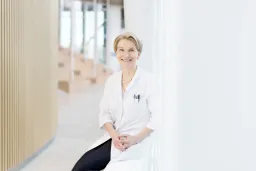
“The automated process has been received very positively and excitedly at Dermatology. Physicians are grateful for how easy it is to use", says Katariina Hannula-Jouppi.
Many patients treated at HUS Dermatology use systemic medication that requires regular laboratory tests and monitoring. The new automated process aims to free physicians’ time for the treatment of patients in need of diagnostics or treatment decisions and secretaries and nurse’s time for other patient work. This simultaneously helps shorten wait lists for treatment and increases productivity.
“Physicians have spent many hours each week in Apotti entering orders related to patients’ medication, including laboratory tests, follow-up of test results, and follow-up appointments. In addition, they have reviewed laboratory results that were entirely within the normal reference range. All of this has been very time-consuming,” says Head of Dermatology Katariina Hannula-Jouppi from HUS Inflammation Center.
One physician’s order covers two years of laboratory follow-ups
The new automated process makes it possible for physicians to create a patient’s entire two-year treatment plan in Apotti with a single order. As a result, two years of laboratory monitoring can be carried out automatically based on just one physician’s order. Automation also takes over the scheduling of patient letters and follow-up appointments, eliminating the need for ward secretaries and nurses to handle these tasks manually.
After an order has been created, the robotic process automation follows its set parameters and sends patients messages about upcoming tests and appointments and checks laboratory test results according to the reference values set by physicians. If a patient’s laboratory results are within the normal range, they are not forwarded to a healthcare professional for review.
“The robot makes an automatic patient record entry stating that the test results are within the normal range and medication therapy can continue. The patient can view this information in Maisa. If the test results are not within the normal range, the matter will be forwarded to the physician for assessment,” says Hannula-Jouppi.
Automation processes 10,000 patient record entries annually
The automation handles large patient volumes and addresses a substantial amount of staff time previously spent on routine tasks. According to an estimate by HUS IT Management, Dermatology can automate up to 10,000 entries made due to laboratory test monitoring.
This allows physicians to spend more time caring for patients instead of handling routine tasks related to laboratory test monitoring. Staff resources can be used more efficiently when part of the workload is automated.
The robot sends patients multiple reminders, including reminders to have laboratory tests taken. It also manages all patient communications automatically.
“The automated process has been received very positively and excitedly at Dermatology. Physicians are grateful for how easy it is to use. We received valuable feedback from the staff in the testing phase. To minimize any risks, we performed multidisciplinary validation work in accordance with quality standards. At the same time, we have further improved the quality of care for all our patients,” says Hannula-Jouppi.
Automated solutions for patient follow-up at HUS
- Enable consistent and individualized patient monitoring through preconfigured care pathways
- Free up staff time for patients who require active treatment
- Automated pathways are based on national clinical guidelines and on HUS’s treatment and follow-up practices developed in accordance with those guidelines
- Through automation, patients can select and book laboratory and clinic appointments online at times that suit them best, improving the patient experience.
- Patients also receive their laboratory test results automatically, which speeds up communication with patients.
- New automated solutions are being expanded to other specialities at HUS as well.